1Meet customers where they are
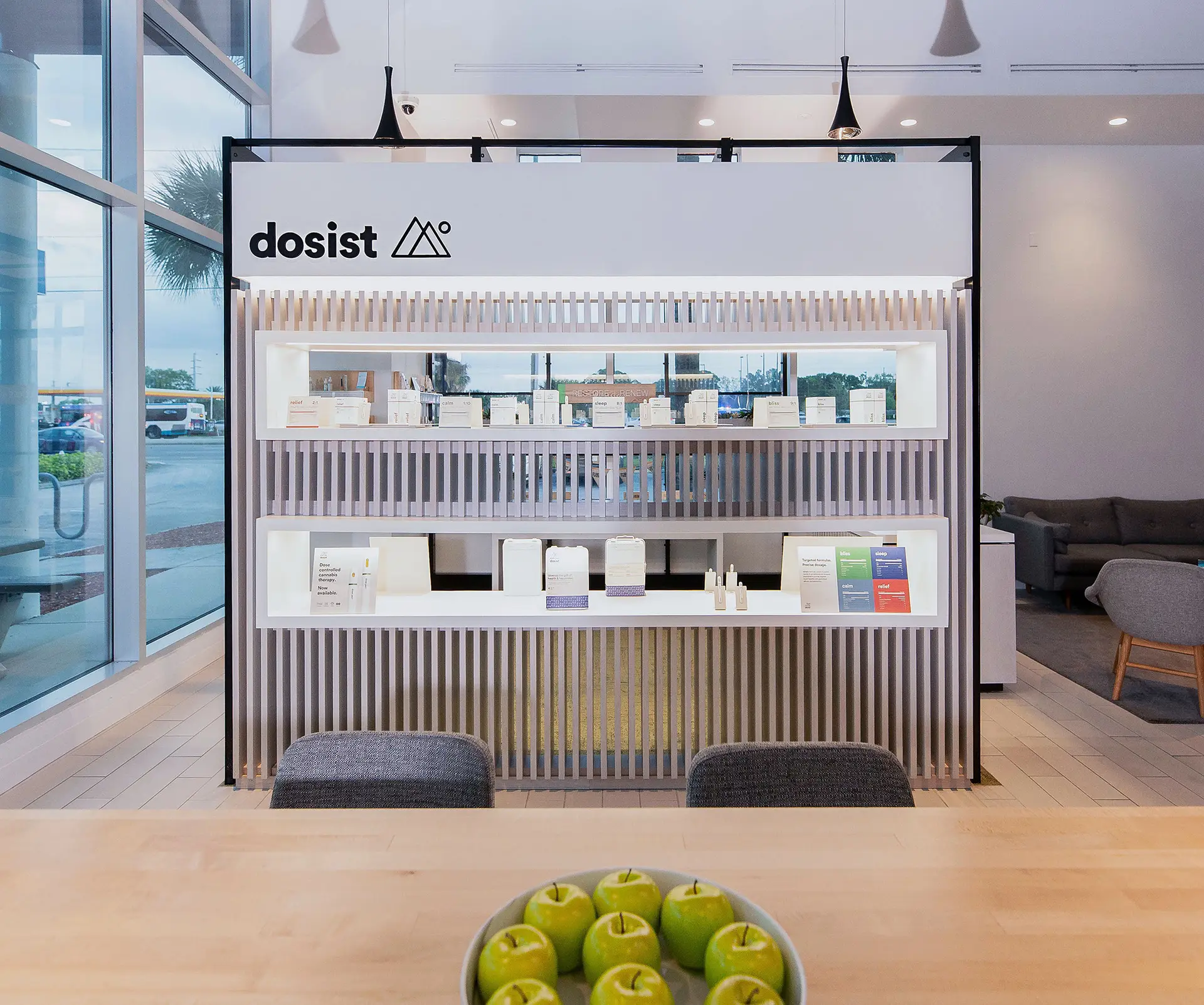
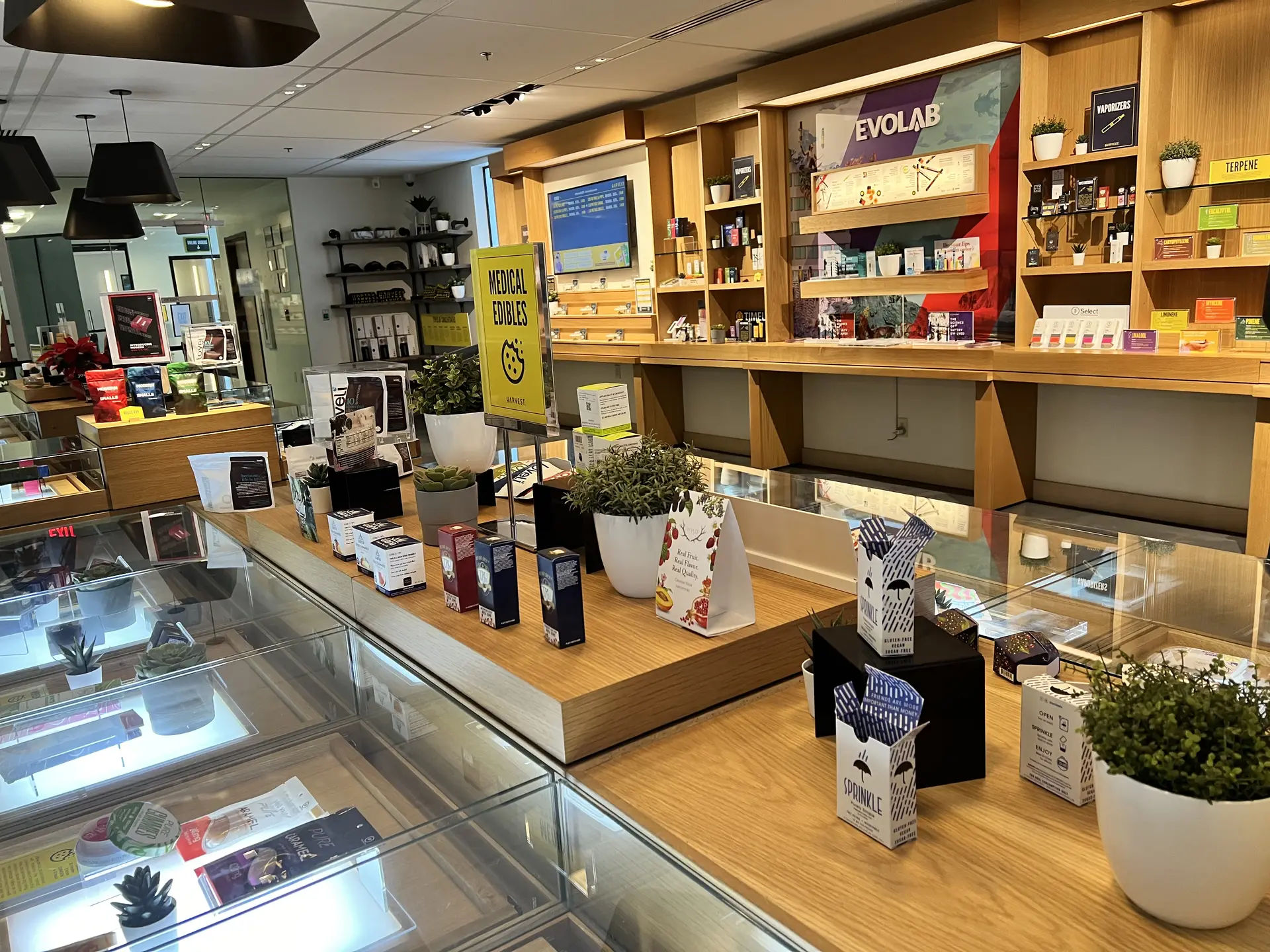
For many people, walking into a dispensary for the first time is intimidating and confusing. Medical customers are used to a clinical setting: a waiting room and straight to the point of sale. Recreational customers expect a normal retail experience. Don't force their behavior.
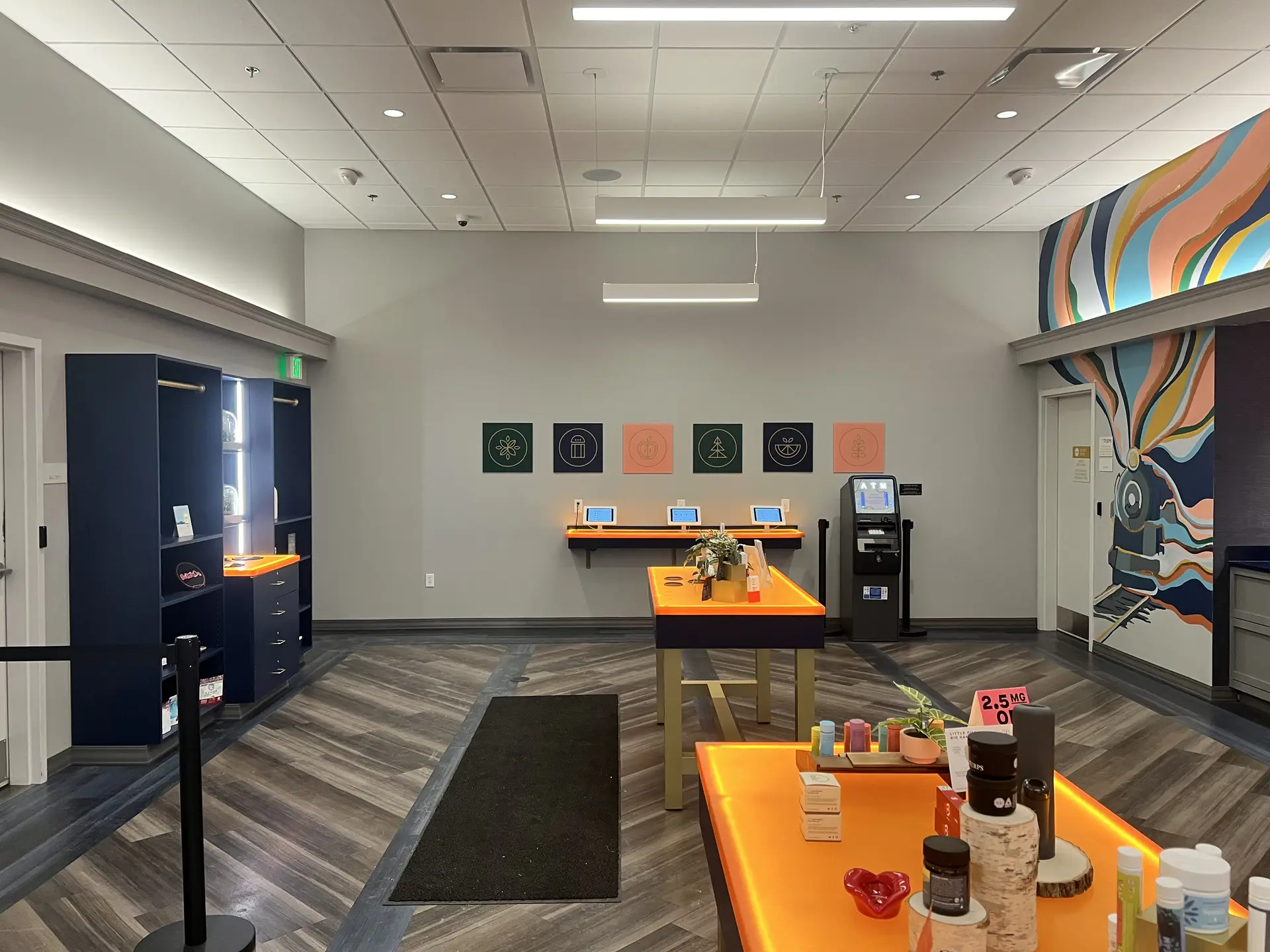
- Create a welcoming atmosphere. Let people browse and explore freely. It lowers intimidation and lengthens visits.
- Provide educational materials. Use signage and displays to educate before customers reach the counter.
- Merchandise with intent. Organize products by benefits and effects so people find what they want.
2Take cues from the alcohol industry
As customers look for alternatives to alcohol, wine and liquor store tactics work well.
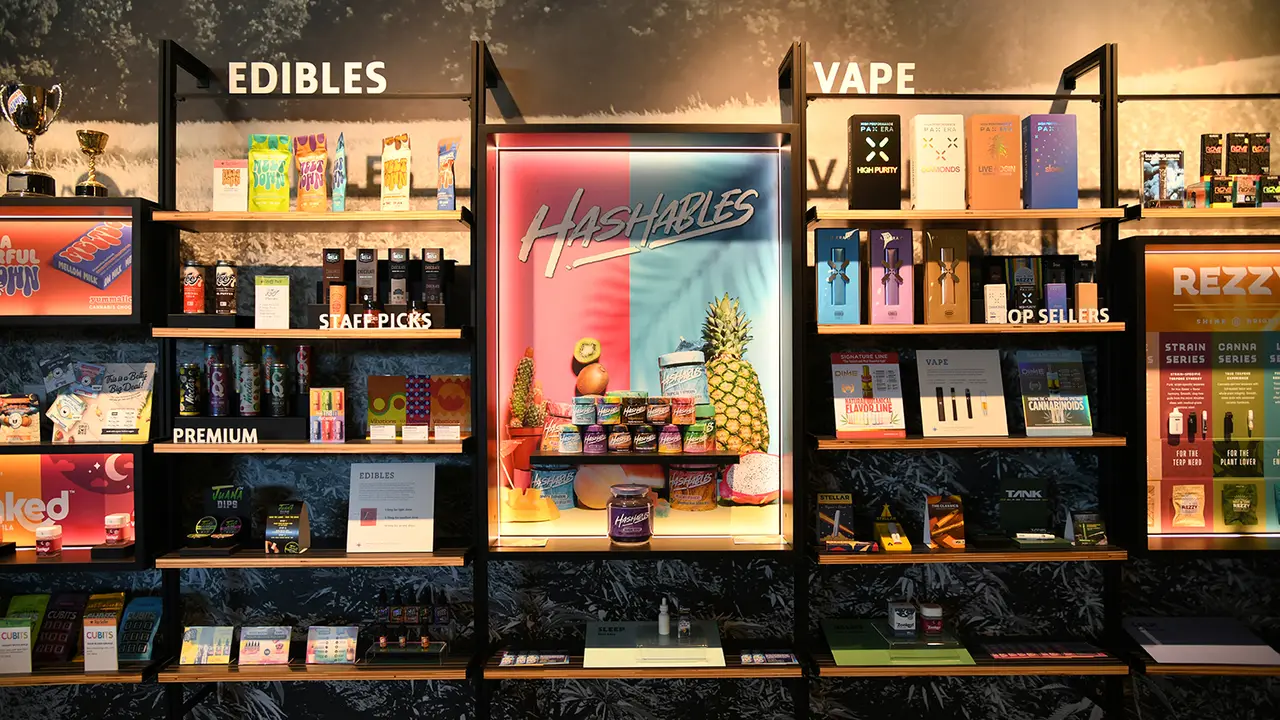
- Staff picks. Feature employee favorites and best sellers.
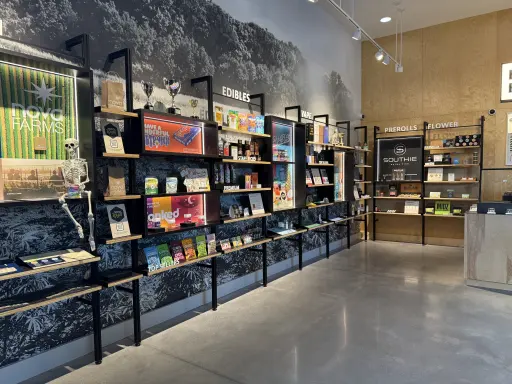
- Curated selections. Themed sections like Relaxation or Energizing.
- Cross-merchandising. Put complementary products together to encourage add-ons.
3Be consistent with branding
In recreational markets, brand recognition matters more.
Create an environment that elevates, educates and builds confidence.
- Impactful merchandising. Feature popular brands prominently.
- Monetize shelf space. Consider slotting fees for prime locations.
- Brand partnerships. Run in-store promotions and exclusives with brands.
4Enhance the retail experience
The in-store experience is what sets a dispensary apart.
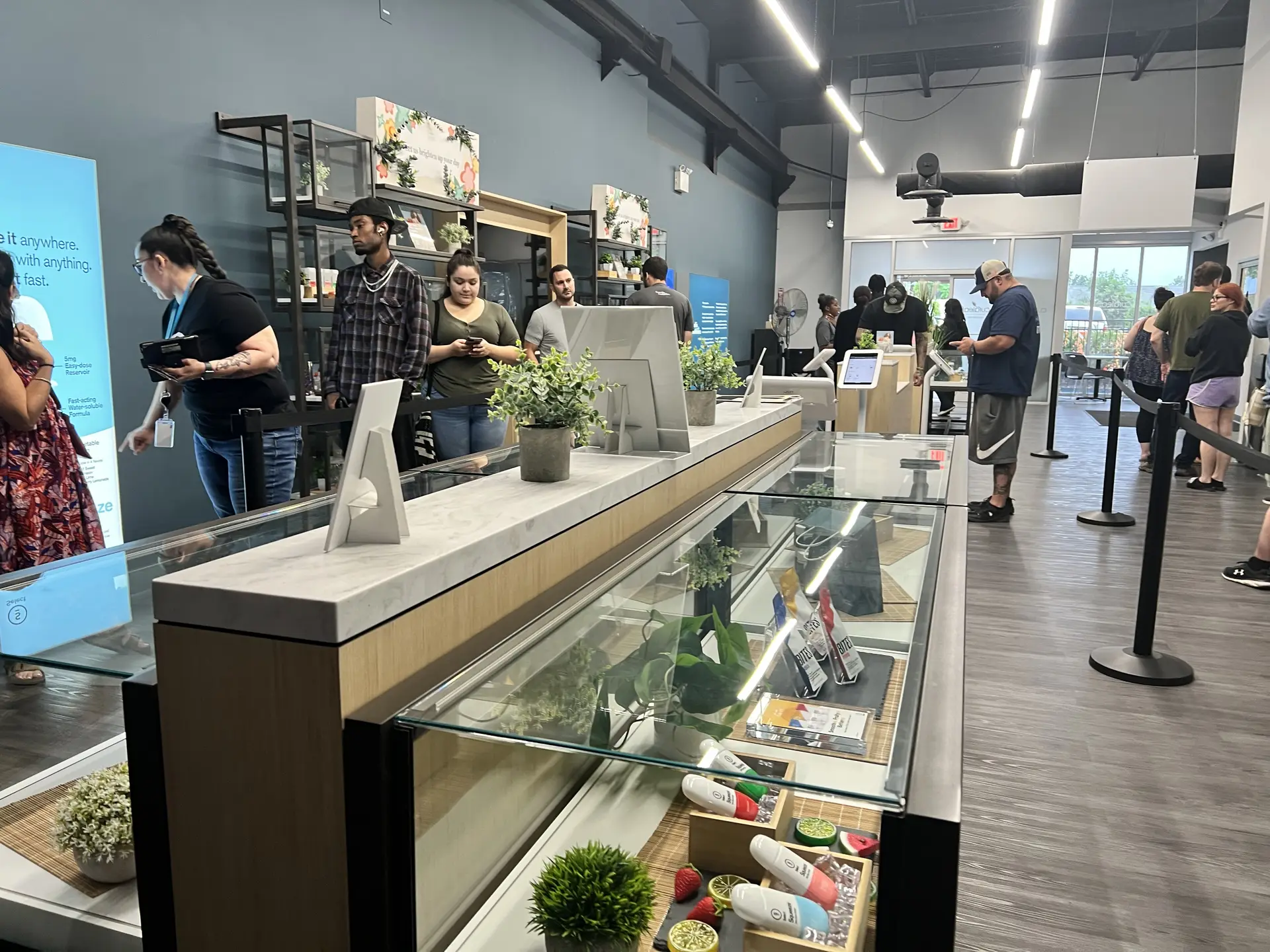
- Set the tone. Music, lighting and decor make the space welcoming.
- Clear wayfinding. Signage that makes the store easy to navigate.
- An engaging atmosphere. Spaces that invite exploration and discovery.
5Place products with intent
Where and when you communicate shapes what people buy.
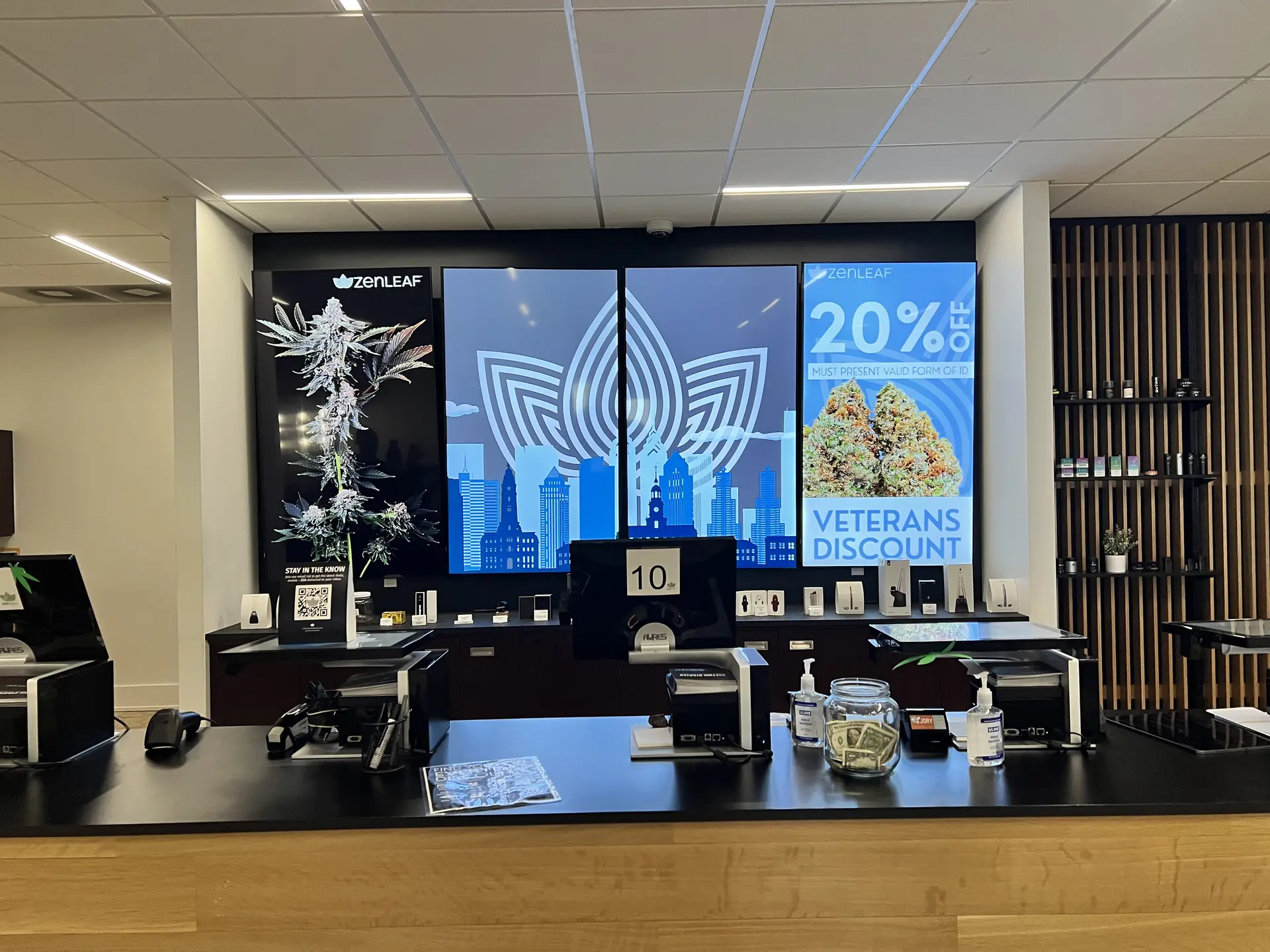
- Map the customer journey. Find the key moments for education and promotion.
- Curate the message. The right information at the right time, without overwhelming.
- Impulse buys. Put impulse items near checkout.
6Update compliance and legal knowledge
Recreational markets bring new laws and regulations.
- Licensing. Update every permit for recreational sales.
- Staff training. Teach the new compliance obligations.
- Product compliance. Adjust inventory to new packaging and labeling rules.
7Train and educate your staff
Your staff are the face of the dispensary.
- Service. Train for a more diverse clientele.
- Product knowledge. Make sure the team knows every product.
- Compliance. Keep legal responsibilities current.
8Diversify your products
Recreational customers want different things than patients.
- Expand the range. Edibles, topicals and other popular products.
- Price points. Budget and premium options.
- New brands. Feature emerging brands to stay competitive.
9Market and engage the community
New marketing room means it is time to build your brand.
- Digital. SEO, social media and email.
- Community events. Workshops and local events.
- Social responsibility. Local initiatives that build goodwill.
10Focus on retention
New customers matter, but keeping existing ones is what lasts.
- Loyalty programs. Reward repeat visits.
- Feedback. Ask customers about their experience.
- Personal communication. Use customer data for targeted promotions.
The takeaway
Moving from medical to recreational is a big milestone. Focus on the customer experience, stay compliant and adapt the business model, and your dispensary can thrive. An environment that elevates, educates and builds confidence attracts new customers and keeps the ones you have.
First published on the Budder Creative journal, 2 October 2024.